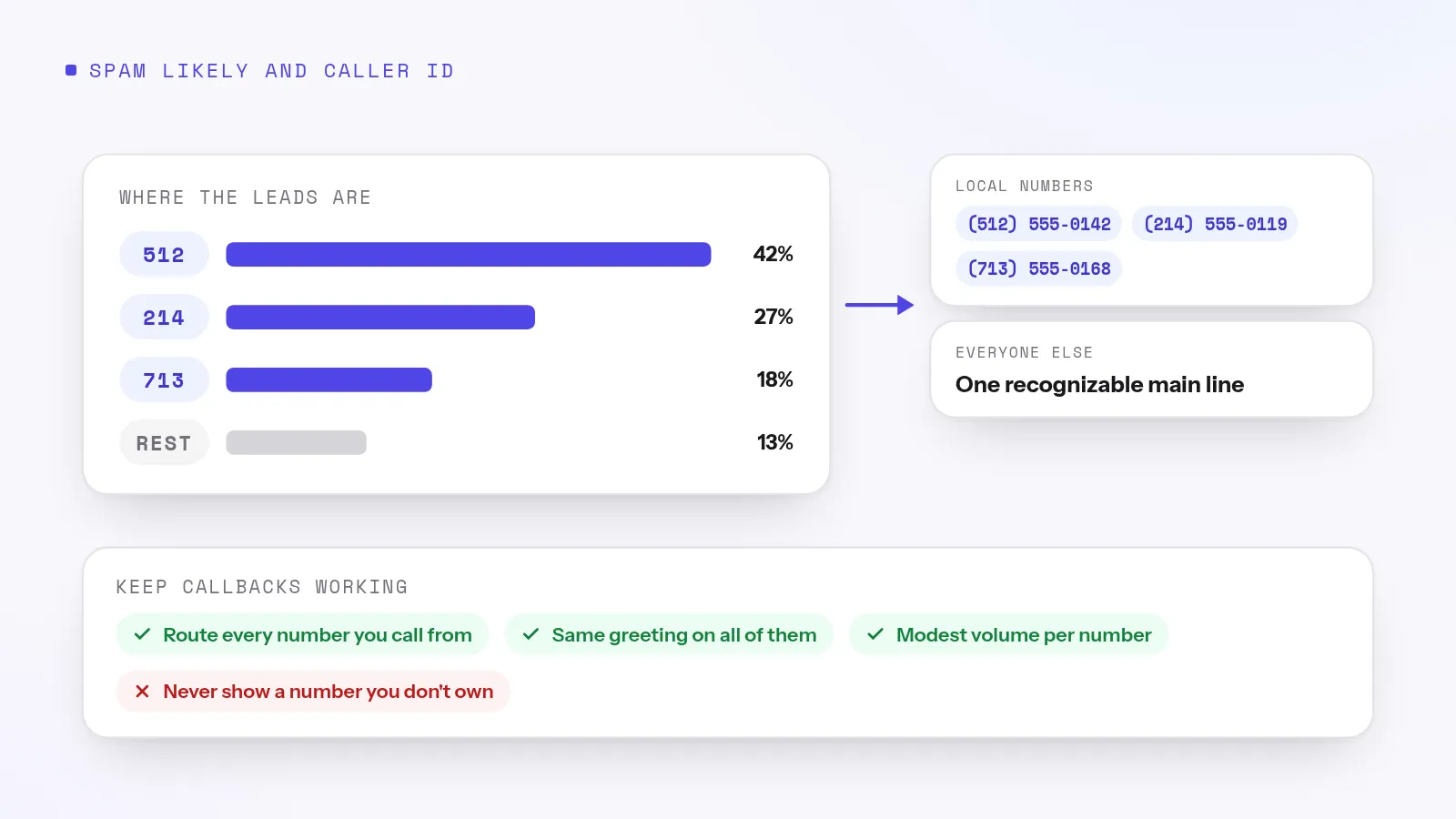
Buy local numbers only in the area codes where most of your leads are, start with a few per region rather than dozens, and keep each number's daily volume modest so it stays clean. A local area code can lift answer rates, but a number the contact already knows, or one that called them before, usually matters more. Never show a number you don't own.
An area code plan decides which numbers your reps call from, and it's one of the cheapest levers on answer rate. It's also easy to overdo. This guide is part of our business caller ID guide.
Map where your leads actually are
Export a month of dials and group them by the contact's area code. Most teams find a handful of codes cover most calls. Those are the codes worth a local number. The long tail can go out from a regional or main number without much loss.
How many numbers you need
Calling pattern
Starting plan
Why
One metro area
One local number per rep
Callbacks reach the right person
One state, several codes
One to two numbers per main area code
Covers most leads without a large pool
National, concentrated
Numbers in your top five to ten codes, a main number for the rest
Local where it counts, simple elsewhere
National, scattered
A small set of regional numbers plus a recognizable main line
Too many codes to cover each one
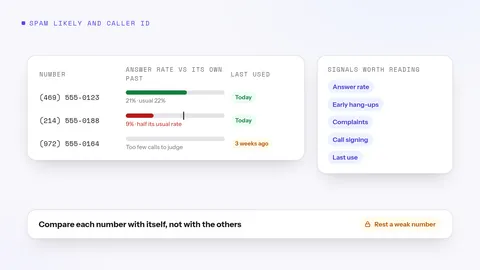
Spread volume across numbers so none of them makes hundreds of short calls a day, which is what draws spam labels. Our post on local presence dialing covers the trade-off in more detail.
Try it on your own numbers. Buy local numbers by area code, and let the call dialog suggest the best one for each contact.
A local number helps when the contact doesn't know you yet. Once they've spoken to a rep, calling back from that same number is usually better than a fresh local one: they recognize it and may have saved it. For some audiences, such as national brands or customer service lines, a toll-free number looks more official than a local one.
Keep callbacks working
Route every number you call from, so a callback reaches the rep or team that called.
Put the same voicemail greeting and company name on all of them.
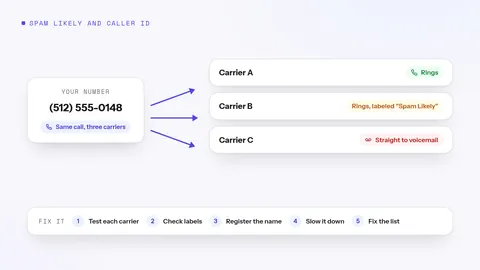
Register your numbers for caller ID and watch for spam labels.
Retire numbers you no longer use, rather than leaving them unanswered.
Area codes in Adoptiv
In Adoptiv you buy phone numbers by searching an area code or the digits you want, and claim them from your wallet. When a rep calls from the call dialog, smart caller ID ranks the numbers they may use. History with that contact counts most, then a match on the contact's area code. The top number is pre-selected and the rep can pick another. Caller ID pools for campaigns are in early access.
Caller ID rules require the number you show to be one you're entitled to use, and some states add their own rules. This is general information, not legal advice, so check with your own counsel.
Common questions
Do local area codes really increase answer rates?+
Often, for cold contacts, because people are more likely to pick up a number that looks nearby. The lift shrinks if the number gets flagged as spam or the contact already knows your main number.
How many local numbers should each rep have?+
Usually one to a few, in the area codes they call most. Large pools of rarely used numbers are hard to keep clean and confuse callbacks.
Should I match the contact's area code or their state?+
An exact area code match is best where you have one; a number in the same state is the next best thing.
Is it legal to show a local number?+
Yes, when it's a real number you own and it reaches your business. Showing a number you don't own to mislead people is not allowed.
Adoptiv is the dialer, the CRM and the AI on one platform, where the busywork logs itself and your reps just talk. Try it free for 14 days, with no credit card.
Questions? Call +1 (844) 955-7733. SIYA answers and puts you through to a person.